How to choose the raw materials when you need to build a wood pellet line.
Understanding the Different Types of Wood Pellet Raw Materials and Their Benefits
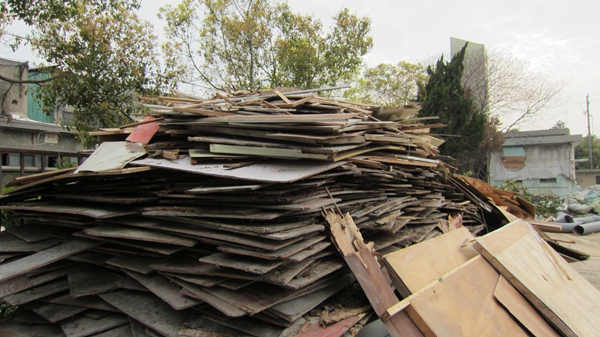
Wood pellets are a type of biomass fuel made from compressed sawdust, wood shavings, and other wood waste. They are a renewable energy source that can be used to heat homes, businesses, and industrial facilities. Wood pellets are becoming increasingly popular due to their efficiency, cost-effectiveness, and environmental benefits.
When it comes to wood pellet raw materials, there are several different types available. The most common types are softwood, hardwood, and agricultural waste. Each type has its own unique benefits and drawbacks.
Softwood pellets are made from softwood trees such as pine, spruce, and fir. They are the most common type of wood pellet and are usually the least expensive. Softwood pellets are easy to light and have a high heat output, making them ideal for heating homes and businesses. However, they also have a shorter burn time than other types of wood pellets.
Hardwood pellets are made from hardwood trees such as oak, maple, and hickory. They are more expensive than softwood pellets but have a longer burn time and produce more heat. Hardwood pellets are also more durable and can be stored for longer periods of time without degrading.
Agricultural waste pellets are made from agricultural waste such as straw, corn stalks, and other plant materials. They are the least expensive type of wood pellet and are often used in industrial applications. Agricultural waste pellets are not as efficient as other types of wood pellets, but they are still a viable option for heating homes and businesses.
No matter which type of wood pellet raw material you choose, they all have their own unique benefits and drawbacks. It is important to consider your needs and budget when selecting the right type of wood pellet for your needs. With the right type of wood pellet, you can enjoy the benefits of a renewable energy source that is both cost-effective and environmentally friendly.
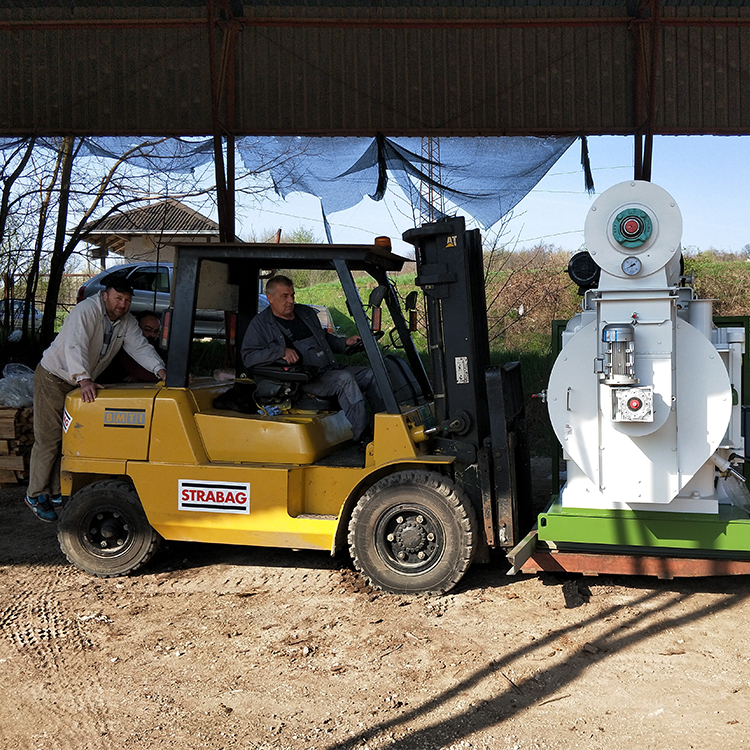
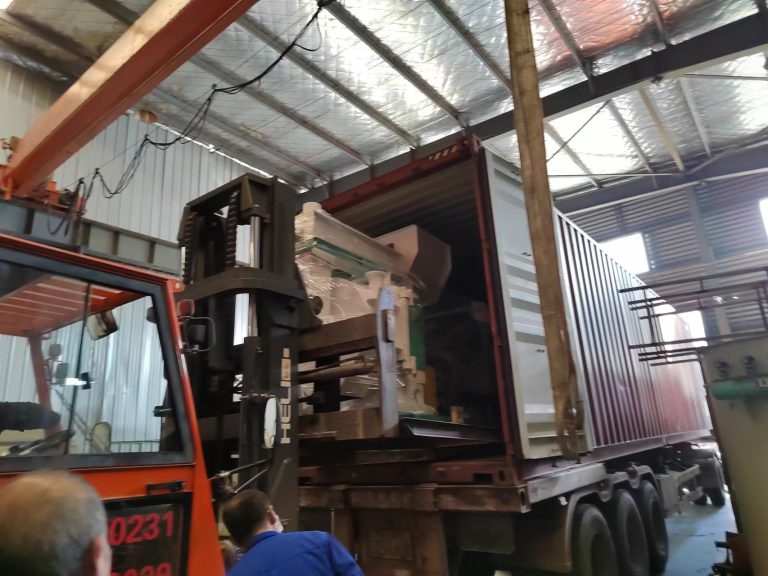
The scene of Yongli machinery export abroad is a hot and busy scene, our personnel to ensure that containers can arrive in Shanghai port on time, at the expense of precious sleeping time in the morning, came to our company early in the morning for shipment. This turnkey biomass pellet machinery equipment is exported to Asia. The main products of this shipment…
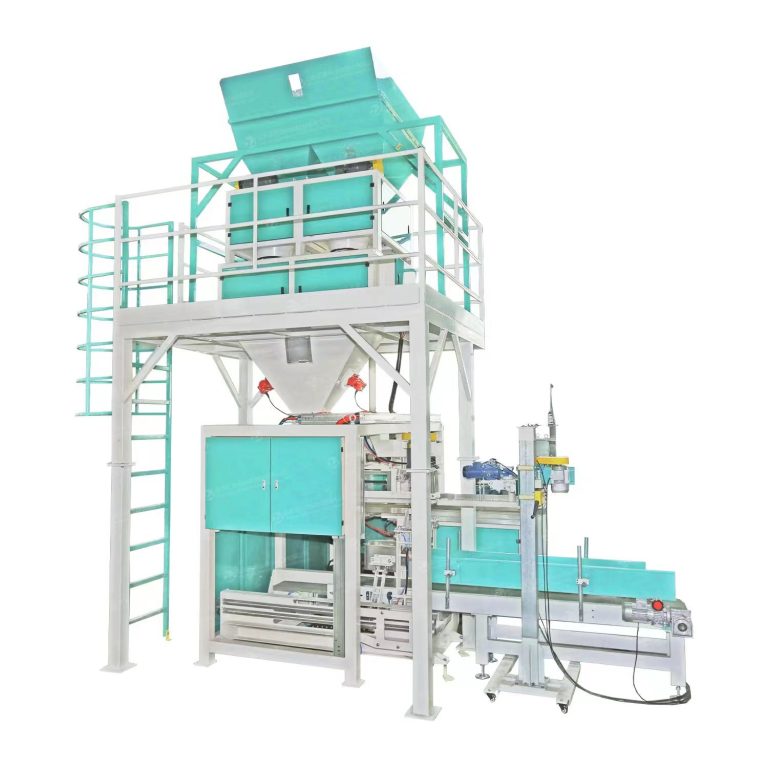
Wood pellet manufacturing is a complex process that involves several important steps. One of these crucial steps is palletizing, which involves stacking the finished wood pellets onto pallets for storage and transportation. Traditionally, palletizing has been a manual process, requiring a significant amount of labor and time. However, with the advancement of technology, an automatic…
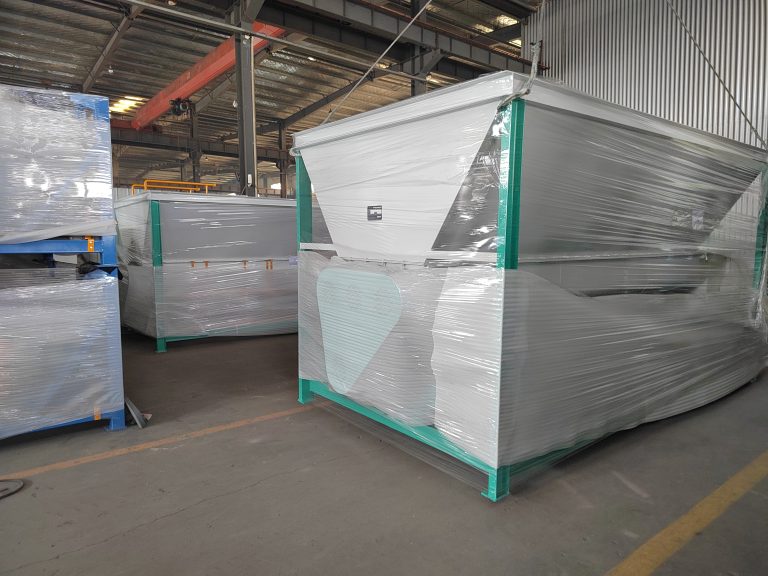
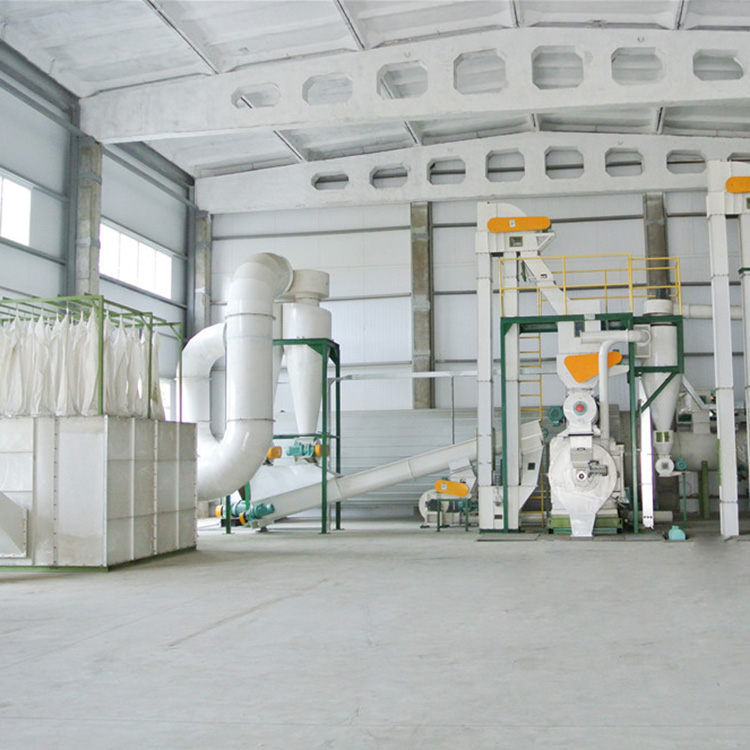
This week, Yongli’s production workshop was busy. The workers are debugging and packaging the product pellet production line for South American customers. The customer’s equipment is a complete set of 5T/H wood pellet production line equipment, including peeling machine, hammer mill, wood chipper, dryer, pellet mill, cooler, packaging machine, electrical cabinet and on-site installation materials and…
Introduction to Bagasse Pellet Machine System Bagasse, the fibrous residue left after sugarcane stalks are crushed to extract their juice, has long been considered a waste product. However, with the increasing demand for renewable energy sources, bagasse has gained attention as a potential biomass fuel. Bagasse pellets, made from compacting and extruding bagasse fibers, have…
Today, I want to talk to you about the benefits of using an energy-saving biomass wood sawdust pellet machine. In a world where environmental concerns are becoming increasingly important, finding sustainable and efficient ways to produce energy is crucial. That’s where the biomass wood sawdust pellet machine comes in. Firstly, let’s talk about what biomass…
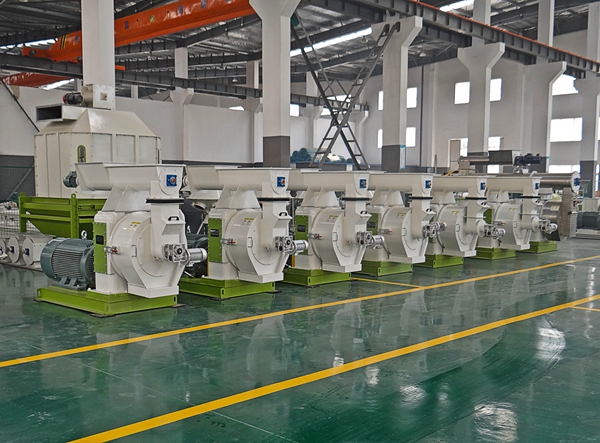
When it comes to producing high quality wood pellet machines, Yongli is the name you can trust. With years of experience in the industry, Yongli has established itself as a leading manufacturer and supplier of wood pellet machines. Whether you are a small-scale producer or a large industrial operation, Yongli has the expertise and resources…